
The Art of Feedback Pt. 1
The what and the why

Feedback is one of the most powerful tools for development. In this first part of a three-part series, we’ll explore what feedback really is and why it matters. In the coming weeks, we’ll dive into how to give feedback and how to receive and act on it.
Throughout my career, I’ve received a wide range of feedback from managers, business partners, direct reports and peers. Being new to a field, a culture, a leadership role — and many more layers of new experience that came with career progression — required a lot of learning, flexibility and adjustment. I know feedback can sometimes sting, especially when it catches you off guard. But once you take a moment to reflect and process it, feedback truly becomes a gift.
Over time, I’ve also learned how to give feedback, very important and nuanced skill. I’ve come to realize that one of the most meaningful ways leaders can support others is by offering thoughtful, actionable, specific and well-timed feedback. Leaders who master both giving and receiving feedback grow personally, and they cultivate high-performance teams and environments of trust and continuous improvement.
There’s no finish line when it comes to growth. We evolve, we learn, we make mistakes, and we grow again. That’s why feedback should never be a one-time event or reserved only for early career stages. No matter where you are in your journey—entry level, senior leader, or somewhere in between—being open to feedback is essential.
Actively seeking feedback, reflecting on it, and acting on it is one of the most powerful tools in development journeys. It’s how we stay in growth mindset, grounded, and constantly improving.
I deeply appreciate organizational cultures that equip and encourage leaders to give feedback regularly. When there’s a structured process and a shared understanding around the importance of feedback, it becomes an essential part of the culture and ultimately, a leadership habit and accountability.
I’ve been lucky to work with incredible leaders and within organizations that prioritized feedback as a tool for growth. Their example shaped the way I give, receive, and value feedback today.

Why We Shy Away from Feedback
We all know feedback matters. So why do we tiptoe around it, wrap it in layers, or avoid it altogether?
Often, it’s because:
We don’t want to rock the boat. In high-trust or high-stakes relationships, we often fear that open feedback will create tension. According to a study published in Harvard Business Review, 44% of managers find it stressful and difficult to give negative feedback, and 21% avoid it altogether.
We try to be too nice. In an attempt to be kind, we end up hindering the true process. As the author Kim Scott puts it “The feedback sandwich technique has a high chance of going sideways if the meat in the middle is crucial for the other person to ingest. Folks who receive the feedback sandwich often discard the meat (the criticism) and instead focus on the two delicious pieces of artisan bread (the praise).
This means that while you did actually deliver the criticism, there’s little chance the other person retained it.”
We assume people will “get it.” We might think our hints or body language say enough. But communication experts remind us that indirect feedback often leads to confusion. People cannot read minds.
We fear the fallout. Neuroscience shows that our brains interpret criticism as a threat. This triggers a “fight or flight” response, making both the giver and receiver of feedback uncomfortable and risk-averse.
We were never taught how. It is a skill, and it may be that it was never taught.
Why Feedback Can Be Hard to Hear
Even when it’s well-intentioned, hearing feedback can still feel uncomfortable. Here’s why:
It feels personal. Did you know that social pain—like criticism—activates the same brain regions as physical pain? That’s why feedback can feel like more than just a professional advice, it can feel like a personal hit.
It can trigger our defenses. When receiving critical feedback, we may instinctively justify or protect ourselves. According to psychologist Carol Dweck’s research on fixed vs. growth mindset, those who see abilities as unchangeable are more likely to respond defensively to feedback.
It challenges our ego. We often tie our self-worth to our performance. Feedback can feel like a threat to that identity.
It takes vulnerability. Receiving feedback means acknowledging we don’t have all the answers. In Brené Brown’s research on leadership, vulnerability is consistently linked to courageous, growth-oriented behavior.
These reactions are human. But here’s the growth mindset shift: Instead of viewing feedback as a personal critique, we can learn to see it as data: valuable, actionable insight that helps us elevate our impact, strengthen performance, and continue to grow.
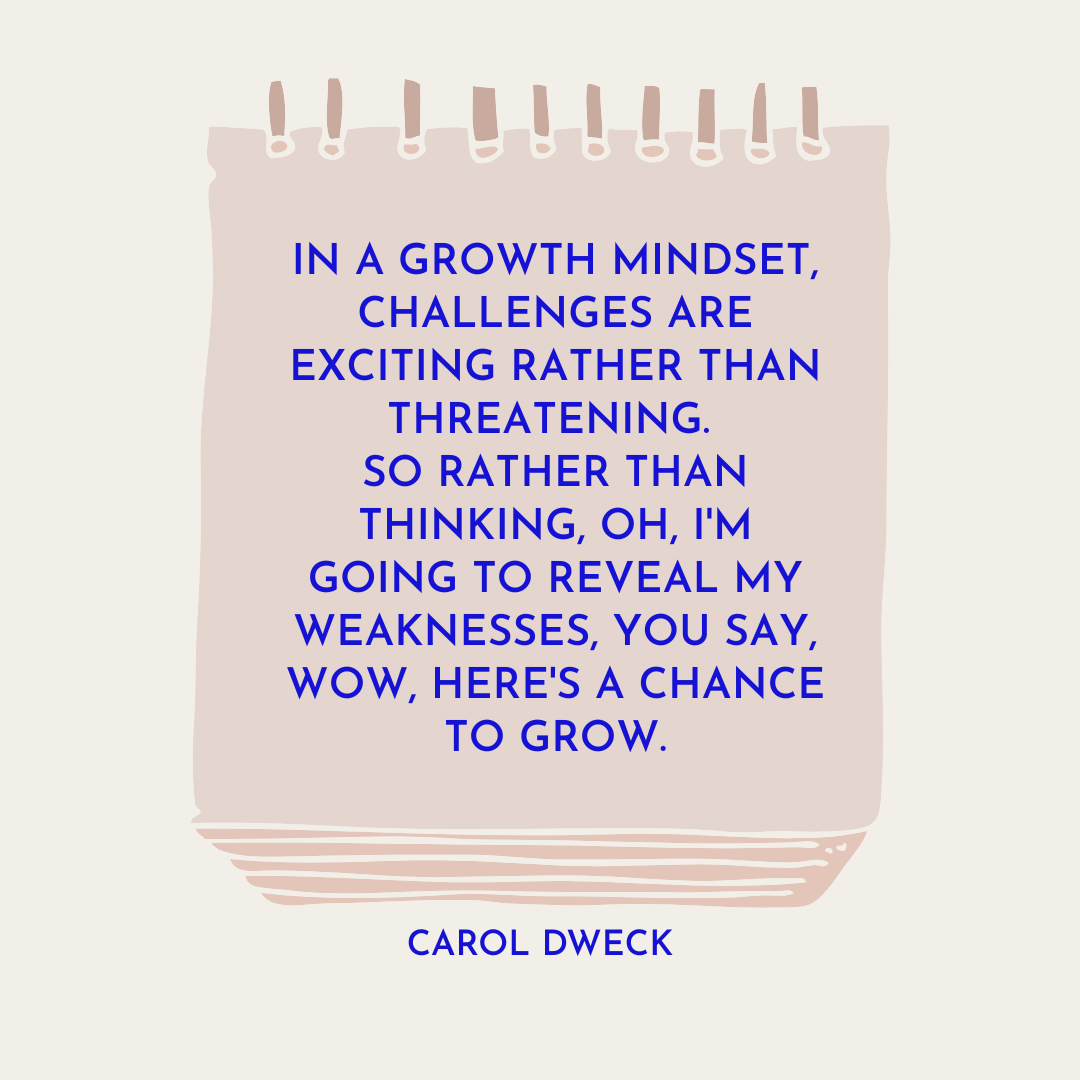
When we reframe feedback through this lens, it becomes less about judgment and more about opportunity for growth!
Next week, we’ll dive into The Art of Giving Feedback. Stay tuned!
🌱 Let’s grow. Intentionally. With curiosity.
– Arzu
Great wrap-up, Arzu, on feedback as a powerful tool for growth!
It got me thinking—what about upward feedback? So often, we hesitate to share honest input with more senior colleagues, even when it could be valuable.
Curious to hear your thoughts: how can we create space for feedback to flow both ways?